
Introduction
Living in Saudi Arabia means experiencing endless sunshine, bright days, and of course, the challenge of keeping your spaces cool and comfortable. While natural light can make any home or office feel inviting, it also brings intense heat, glare, and harmful UV rays that can fade furniture and increase energy costs.
That’s where anti UV reflective window films come in. Designed for glass door windows and large glass panels, these films act as a smart barrier against heat and sunlight, reducing indoor temperatures, blocking UV rays, and enhancing window privacy without compromising natural light.
From stylish window privacy film heat control options to total blackout window film privacy solutions for bedrooms or meeting rooms, there’s a perfect match for every need. Whether you want a reflective finish for a modern look, a frosted design for subtle elegance, or a full blackout effect for maximum privacy and comfort, UV protection films provide a simple, effective way to make your environment cooler, safer, and more energy-efficient, all year round.
Table of Contents
What is UV Protection Film for Glass?
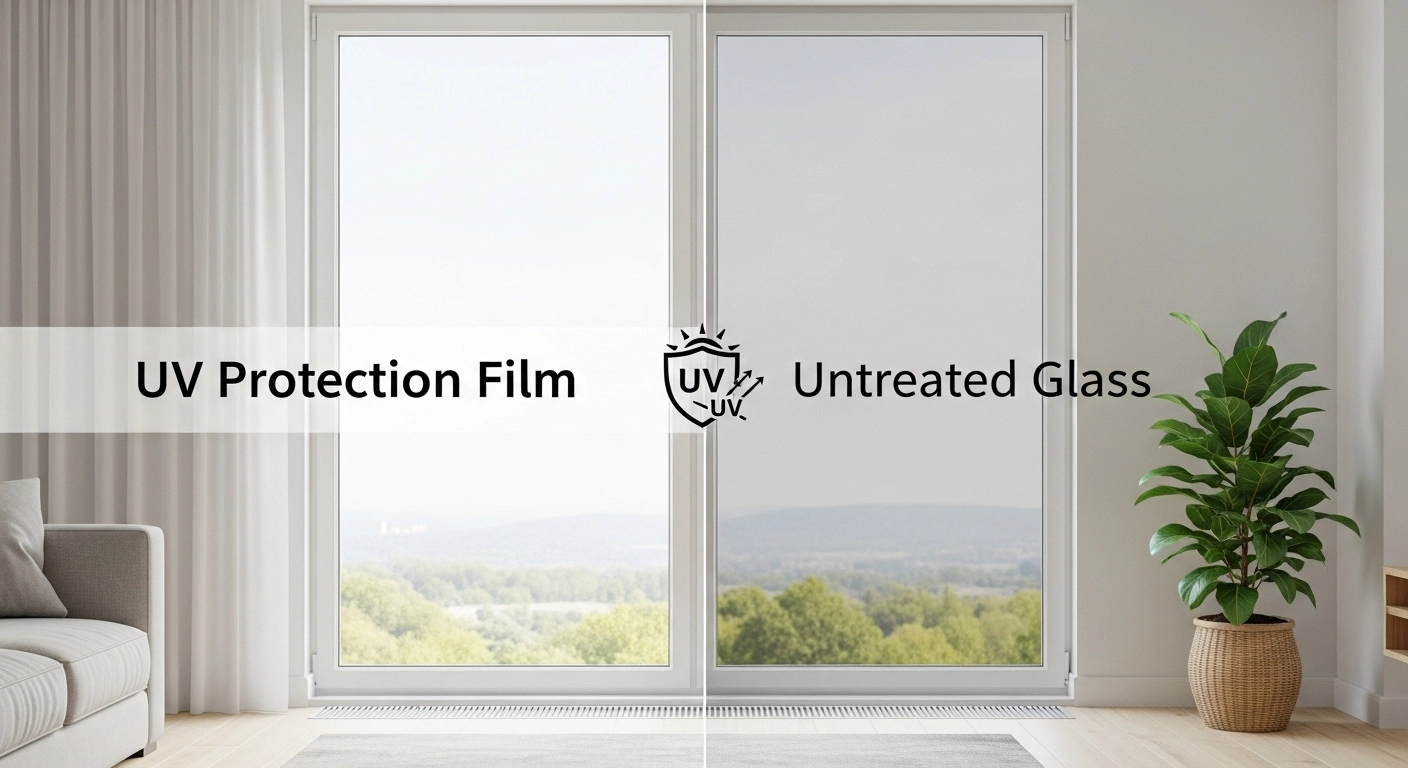
UV protection film for glass is a specially designed, thin layer that’s applied directly to your windows or glass doors. It works as an invisible shield, offering powerful UV blocking heat control while still letting in pleasant natural light. By filtering out harmful ultraviolet rays and reducing glare, the film keeps your spaces cooler and more comfortable — especially under the intense heat control sun conditions common in Saudi Arabia.
This innovative film sun blocking heat control solution isn’t just about comfort, it’s also about protection. It helps prevent your furniture, flooring, and décor from fading due to UV exposure, while cutting down on air-conditioning costs by lowering indoor heat buildup.
Depending on your needs, you can choose from different styles such as window film one way mirror, which gives you privacy during the day while maintaining clear views outside; window film privacy room darkening options for bedrooms or offices where reduced light is preferred; or even UV films designed for heat control door and glass partitions.
No matter the space, UV protection films bring together practicality, style, and energy efficiency, making your home or workplace more comfortable all year long.
Top Benefits of Using UV Protection Film in Saudi Arabia
| Feature | Description |
|---|---|
| Sun Protection | Blocks up to 99.9% of harmful UV rays, preventing skin damage and fading of furniture. |
| Heat Control | Reduces up to 60% of solar heat gain, making rooms cooler and cutting AC costs. |
| Privacy | Window privacy film creates a mirror-like exterior, ensuring daytime privacy without losing visibility. |
| Energy Efficiency | Saves up to 30% on cooling bills annually. |
| Style Options | From frosted window film to stained glass window film, match any interior design. |
Why UV Protection Matters
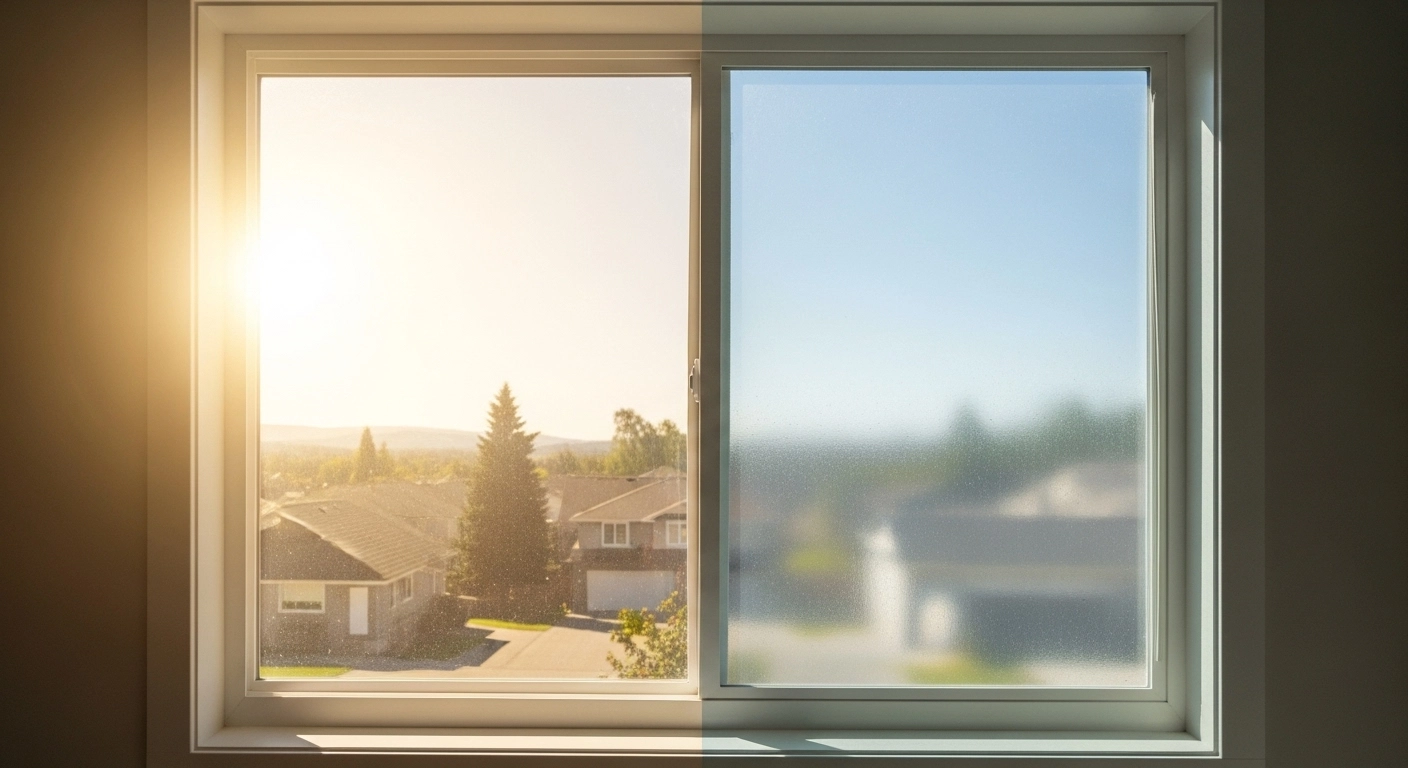
While sunlight brightens our spaces, it also brings ultraviolet (UV) rays that can be harmful to both people and interiors. Prolonged exposure to UV radiation can lead to skin damage, premature aging, and even eye conditions like cataracts. It also causes furniture, artwork, and fabrics to fade over time.
Unfortunately, traditional glass offers little UV resistance. That’s where smart window tints come in — they block up to 90% of UV rays while still allowing natural light to pass through. This means your space stays bright and welcoming, without the harmful side effects of direct sun exposure.
Key Benefits of UV Blocking Smart Tints
- Skin & Eye Protection: Shields against UVA and UVB rays that cause sunburns and eye fatigue.
- Improved Wellbeing: Reduces immune stress caused by overexposure to UV.
- Longer Interior Life: Preserves flooring, fabrics, and wooden furniture from fading.
Reducing Glare and Eye Strain
Another major benefit of smart window tinting is glare reduction. Excessive sunlight can reflect off screens or shiny surfaces, leading to headaches and eye strain especially in offices where people work on computers all day.
Smart tints help balance natural light by automatically adjusting their tint level. Whether it’s morning brightness or afternoon glare, they maintain optimal light levels for visual comfort. Compared to dark, fixed tints or blackout blinds, smart films allow you to enjoy daylight without squinting or overlighting your space.
How Smart Tints Improve Comfort
- Glare Control: Minimizes reflections on monitors and surfaces.
- Adjustable Tint: Lets you control brightness instantly.
- Even Light Distribution: Prevents harsh contrasts between bright and shaded areas.
Where Smart Window Tints Make the Biggest Difference
Hospitals and healthcare spaces benefit from smart tints because patients can enjoy daylight and outdoor views while avoiding discomfort from glare. This helps create a calming, healing atmosphere.
In offices, employees working near windows report fewer headaches and better focus when smart tinting is used. By reducing glare and maintaining steady light levels, ElectraTint improves both comfort and productivity.
Types of Window Films You Can Choose
When choosing a window film for your home or office, it’s important to understand the variety available:
- Reflective Window Film – Best for heat control window and privacy window film purposes. Reflects sunlight and gives a sleek look.
- Frosted Glass Film – Adds elegance and privacy, perfect for bathroom windows or glass doors.
- Static Cling Total Blackout Window Film – Ideal for bedrooms or meeting rooms needing full darkness.
- Decorative Privacy Films No Glue – Easy to apply and remove; available in stained glass window film or frosted opaque glass window film designs.
- Smart Film – Switches from clear to opaque with one click, providing instant window privacy and sun protection.
How UV Protection Film Works
These heat control anti UV window films use nano-technology to reflect and absorb solar energy. The reflective window film layer deflects heat, while a metal-free glass film construction ensures no interference with Wi-Fi or mobile signals.
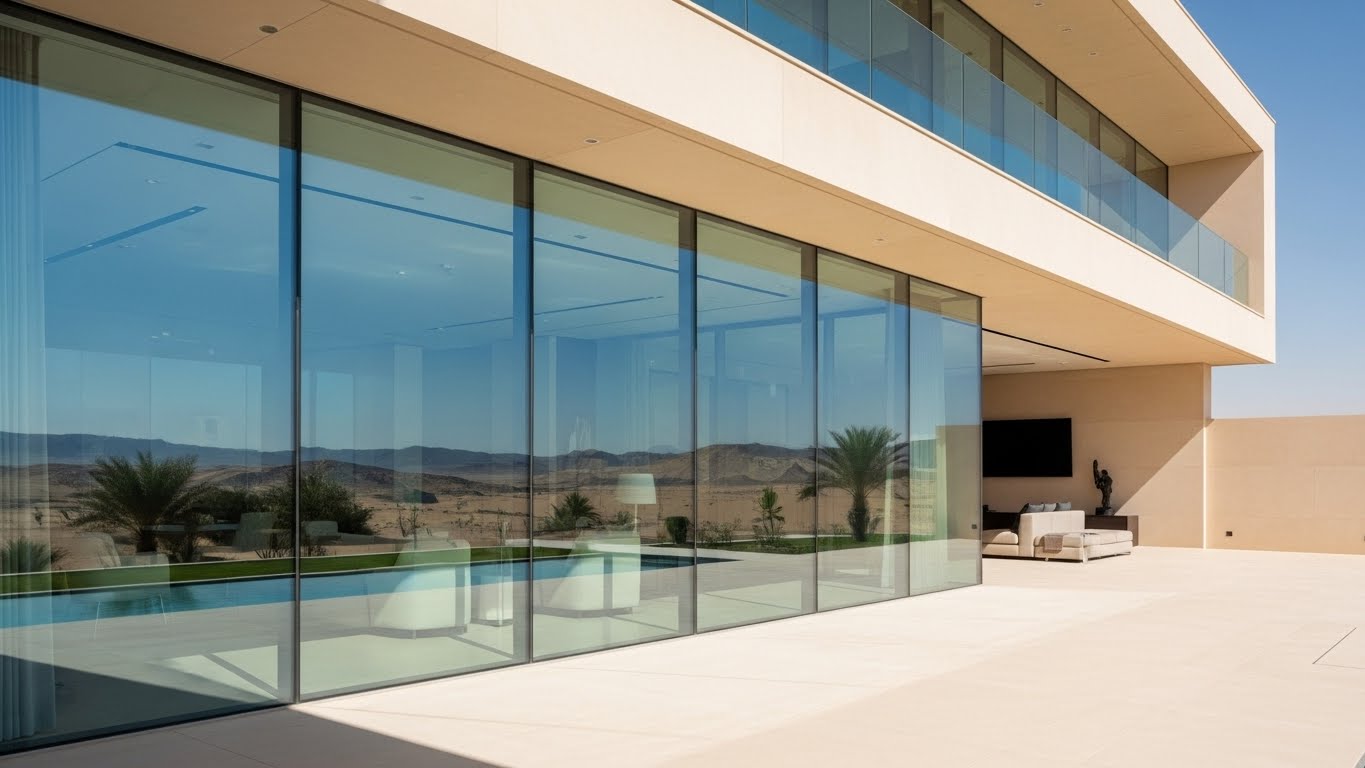
For example, a mirror window film reflects sunlight outward during the day, giving privacy from the outside while keeping interiors bright and comfortable.
Case Study: Office in Riyadh Using Reflective Window Film
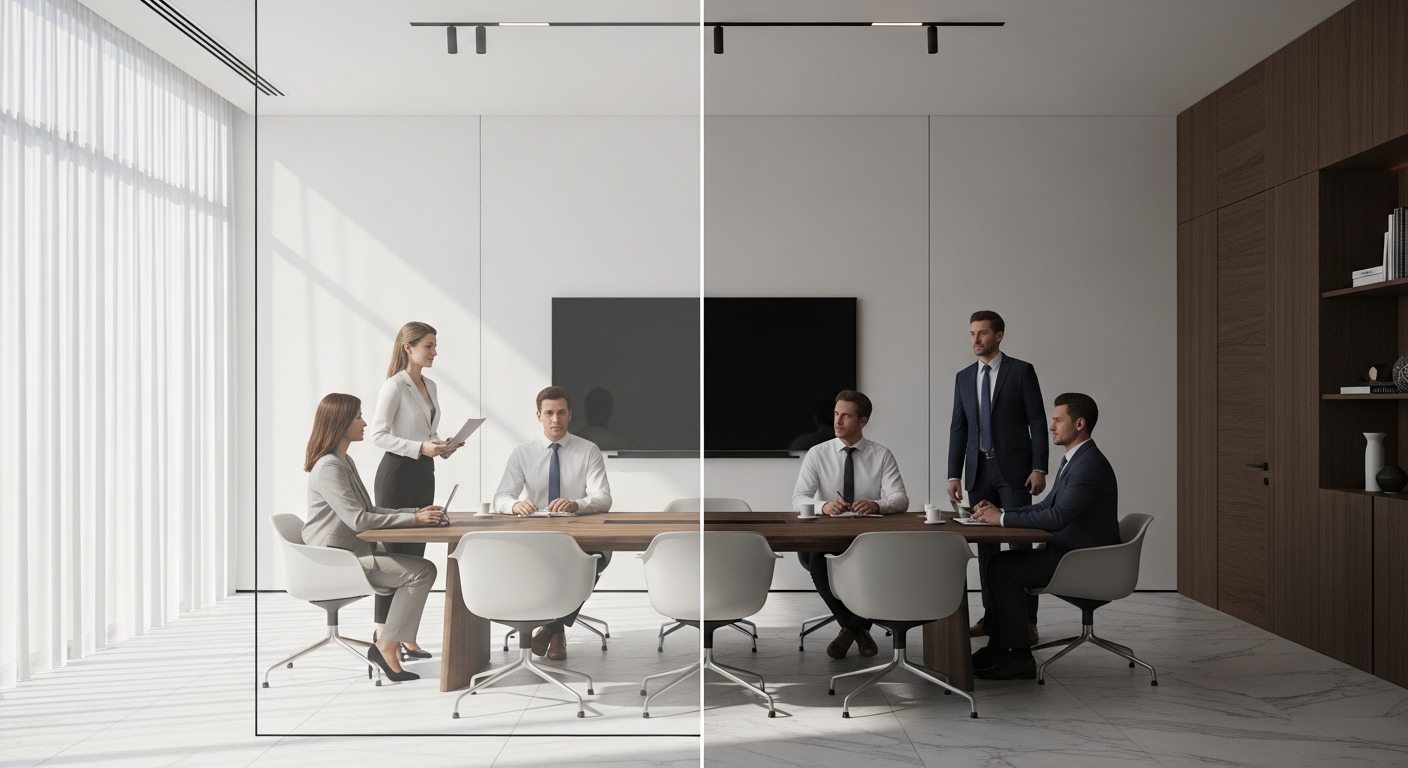
In the heart of Riyadh, one corporate office struggled daily with extreme sunlight, heat buildup, and uncomfortable glare. Their workspace featured large south-facing glass windows, which, although modern and elegant, allowed intense sun exposure throughout the day. Employees often complained about eye strain and rising indoor temperatures that made the office difficult to work in, especially during summer.
To solve this, the company decided to install one way reflective window privacy film across all major windows. The goal was simple: to reduce heat, control glare, and maintain a professional level of privacy without compromising on natural light.
Within just one month of installation, the results were remarkable. The office recorded a 5°C drop in indoor temperature, and the air-conditioning system ran 28% less frequently. This not only improved energy efficiency but also reduced utility bills significantly. Employees noticed a calmer, more comfortable workspace with fewer glare-related headaches and eye fatigue a clear sign of improved well-being and productivity.
The reflective film acted as a covering darkening privacy heat control solution allowing staff to enjoy a bright, airy atmosphere while keeping unwanted heat and harsh sunlight out. The building maintained its modern look from the outside, with a sleek mirror-like finish that reflected daylight beautifully.
To complement the reflective films, the company also explored total blackout window film 100 for specific rooms such as presentation areas and conference spaces. This provided complete light blocking when needed, ensuring better visibility for screens and projectors.
In decorative areas, such as meeting lounges, they experimented with frosted film stained glass window designs to add style while maintaining functional light control. These films introduced a touch of color and creativity, enhancing the interior aesthetic.
For employees working from home, the success of this installation inspired similar upgrades with many opting for UV window tint for home to reduce heat and protect furniture from fading.
This Riyadh office’s experience shows how the right combination of UV blocking films can completely transform a workspace improving comfort, efficiency, and design all at once. From reflective to blackout and decorative films, every space can achieve the perfect balance between sunlight, privacy, and temperature control.
Comparison Table – Regular Glass vs. Window Film
| Feature | Regular Glass | With UV Protection Film |
|---|---|---|
| UV Blocking | 25% | 99.9% |
| Heat Control | Minimal | High – up to 60% |
| Privacy | None | Daytime privacy heat control |
| Energy Efficiency | Low | 20–30% energy savings |
| Appearance | Transparent | Reflective, frosted, or decorative |
Applications of Sun Protection Film
- Homes – Window tint for home reduces heat and glare while maintaining brightness.
- Offices – Privacy film frosted and reflective film for home bedroom create a comfortable work atmosphere.
- Bathrooms & Kitchens – Window sticker for bathroom home ensures privacy with style.
- Shops & Cafes – Glass film for home office gives modern aesthetics and glare protection.
Installation Tips for Best Results
- Clean Thoroughly – Remove all dust and grease before applying the glass film.
- Cut Precisely – Use a cutter knife to trim edges neatly.
- Apply Carefully – For static cling removable window sticker, use water and squeegee for a bubble-free finish.
- Avoid Heat – Install during cooler hours for better adhesion.
Quick Tip: For renters, privacy heat control static cling films are best as they’re removable without residue.
Maintenance & Longevity
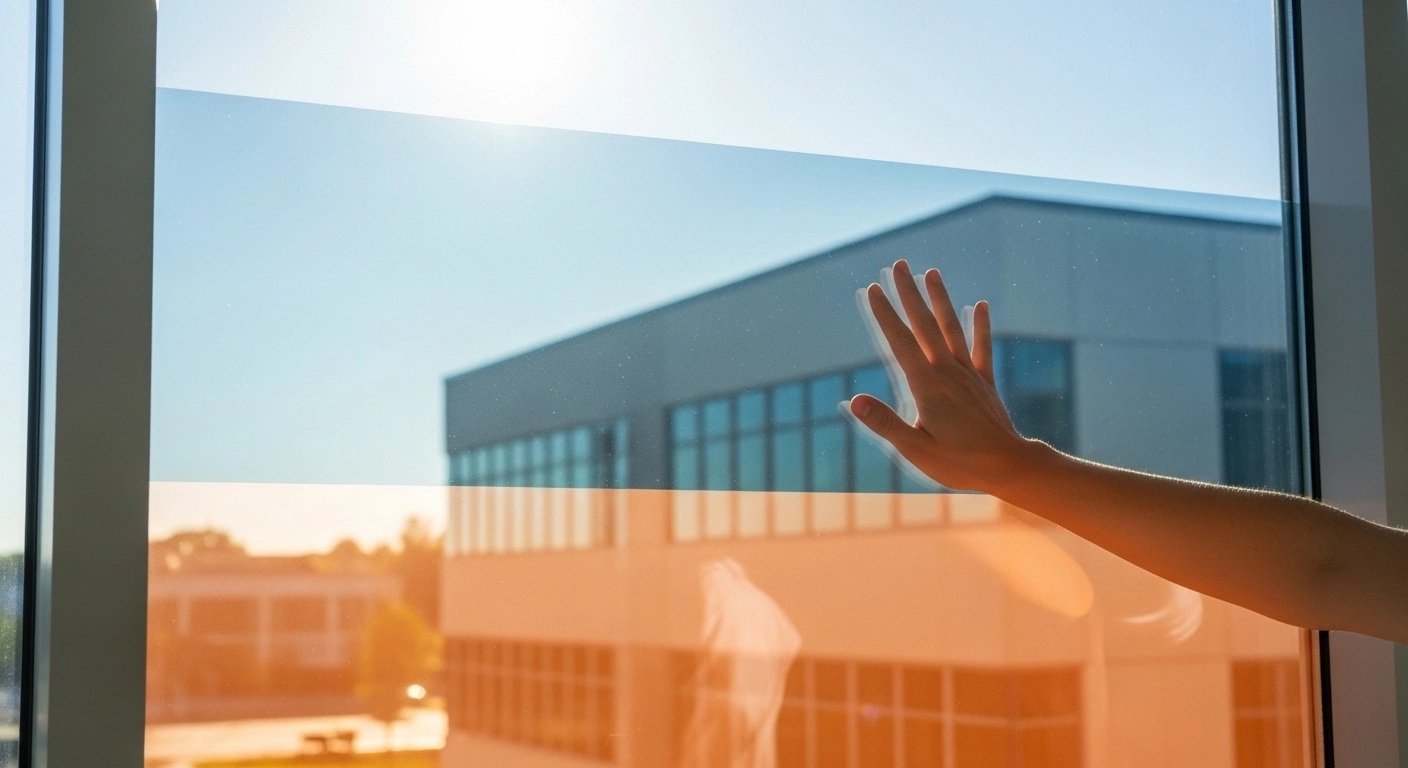
- Clean with mild soap and water.
- Avoid abrasive sponges.
- Replace after 7–10 years for optimal UV blocking heat control.
Modern smart films can last even longer and offer switchable privacy features with remote control options.
Conclusion
Installing UV protection film for glass in Saudi Arabia is more than a comfort upgrade — it’s a long-term investment in your home’s energy efficiency, privacy, and aesthetics. From frosted window films to one way mirror films, every option offers a layer of protection against the sun’s harsh effects.
Takeaway: Don’t let the desert sun control your comfort. Take charge with UV protection, sun blocking window covering darkening privacy films, and enjoy a cooler, safer living space year-round.
FAQs
1. What is the main purpose of protection film?
The main purpose of UV protection is to block harmful ultraviolet rays that cause heat, glare, and fading. UV protection films keep interiors cool, comfortable, and safe from sun damage.
2. Is UV coating waterproof?
Yes. Most UV coatings and UV films are water-resistant and can handle humidity, making them suitable for glass doors and windows.
3. What is the difference between UV coating and PU coating?
UV coating protects against sunlight, heat, and scratches, while PU coating provides flexibility and water resistance on surfaces like fabric or furniture.
4. What are the disadvantages of UV coating?
UV coatings can be hard to remove, may slightly tint the glass, and poor installation can cause bubbles or peeling over time.
5. Which material is best for UV protection?
High-quality polyester (PET) films with UV blocking and heat control layers are the best materials for long-lasting UV and heat protection.