
Introduction: Why Window Tint Performance Matters in Saudi Arabia
In Saudi Arabia, sunlight is not just bright; it is intense, constant, and damaging. Whether you are driving daily, managing a commercial property, or living in a villa with large glass areas, heat buildup, glare, and UV rays quickly become serious problems. Many people install window tint expecting comfort and protection, only to discover that low-quality tint or basic window film fails within a short time.
This is where Nano Ceramic Window Film stands apart.
Unlike traditional tint, advanced ceramic window tint is engineered to block infrared heat, reduce glare, reject solar energy, and deliver long-lasting performance under extreme temperatures. For automotive window applications, architectural glass, and solar control projects, nano-ceramic technology has become the preferred solution in Saudi Arabia.
This guide explains how nano ceramic film works, its benefits, real-world use cases, performance metrics, and what buyers should know before installation.
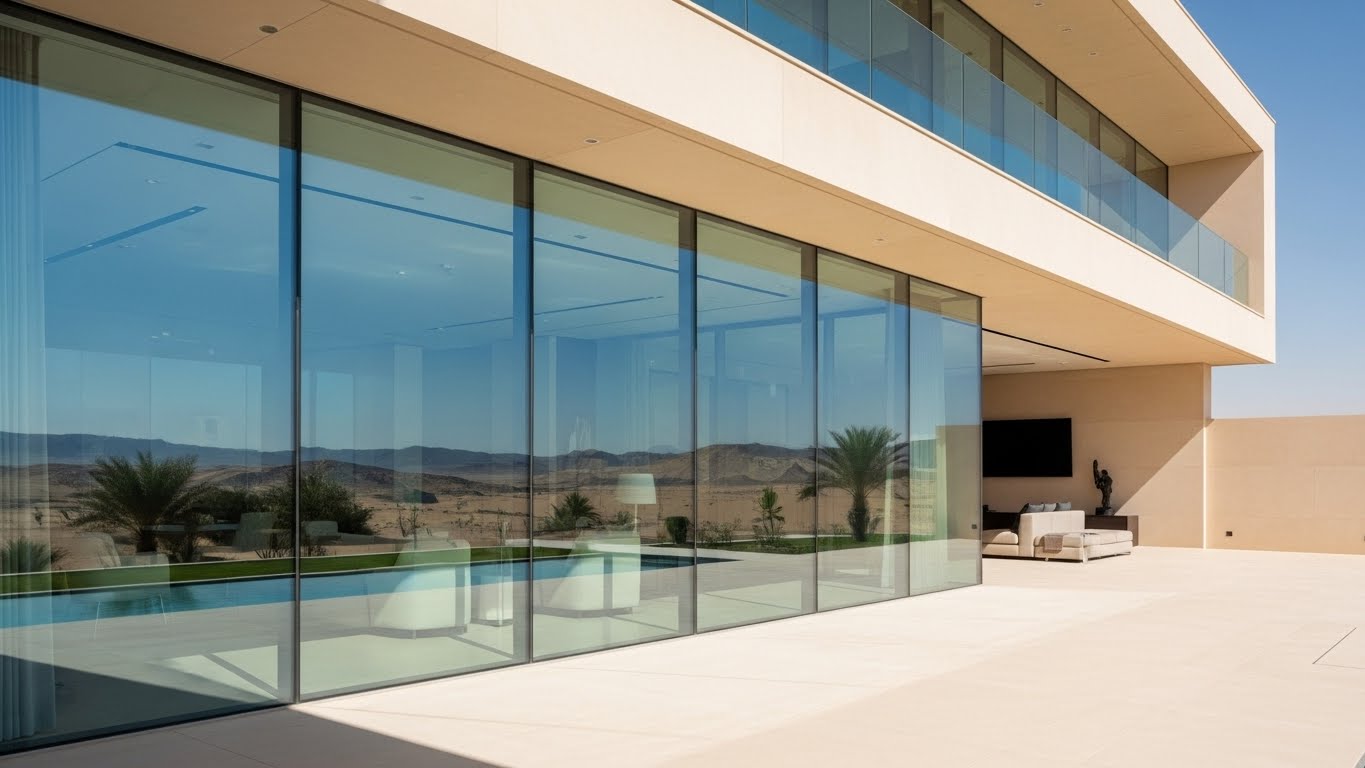
Table of Contents
What Is Nano Ceramic Window Film?
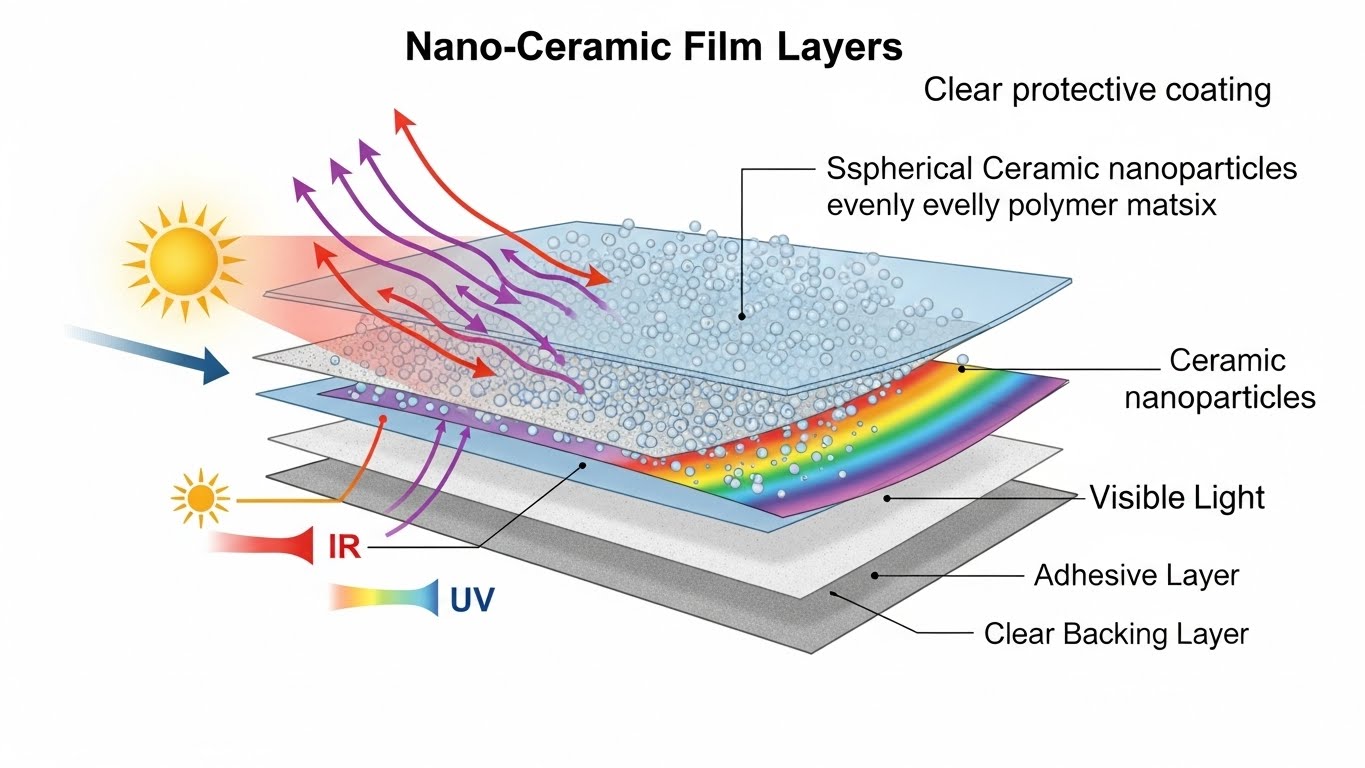
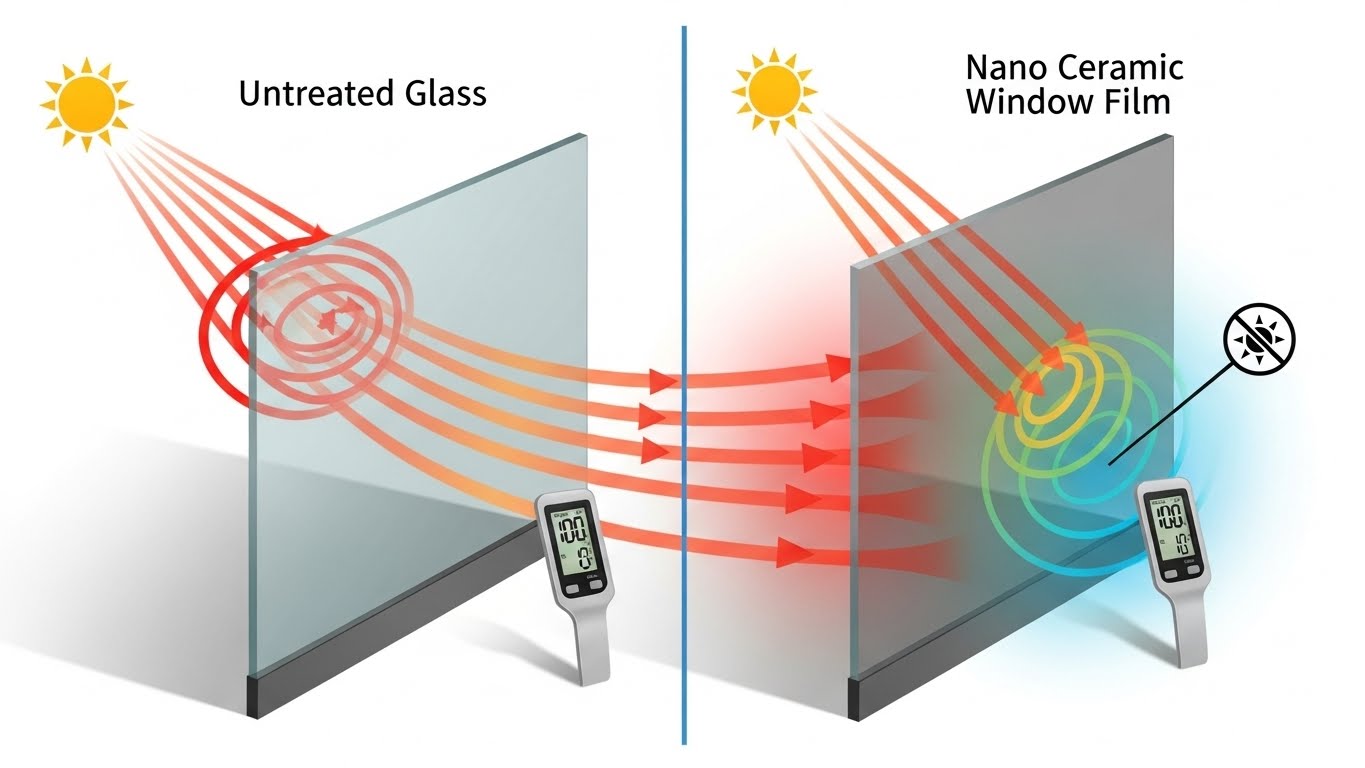
Nano Ceramic Window Film is an advanced ceramic window film that uses nano-ceramic particles and optical coating technology to block infrared heat, UV rays, and solar energy while maintaining visible light transmission, optical clarity, and a clear view.
Understanding Nano-Ceramic Technology
Modern nano-ceramic window tint is built using nano-ceramic technology rather than dyed or metallic layers. The ceramic coating contains microscopic ceramic nanoparticles that selectively filter sunlight, blocking harmful radiation while allowing natural light to pass through.
This technology enables:
- High infrared heat rejection
- Superior UV protection
- Reduced glare without dark tint
- No signal interference
- Long-lasting durability
Because it is non-metallic, nano-ceramic film does not interfere with GPS, mobile signals, or automotive electronics, making it ideal for automotive window films and smart buildings.
How Nano Ceramic Window Film Works
Nano ceramic film effectively blocks:
- Ultraviolet rays that cause skin damage and internal fading
- Infrared heat that raises cabin and indoor temperatures
- Excess solar energy entering through the glass
At the same time, it maintains optimal visible light transmission (VLT) and excellent optical clarity, ensuring comfort without sacrificing brightness or aesthetics.
By reducing total solar energy and controlling infrared rays, ceramic window film improves thermal performance and helps maintain optimal thermal comfort throughout the year.

Key Benefits of Nano Ceramic Window Film
1. Heat Rejection and Heat Reduction
Advanced ceramic window tint delivers strong heat rejection by blocking infrared heat and solar heat before it enters the space. This results in noticeable heat reduction and lower cooling load, especially during peak summer months.
2. Superior UV Protection
High-quality nano ceramic window film provides superior UV protection, blocking harmful UV rays and ultraviolet radiation that damage interiors and skin. This includes protection against UV rays that cause fading of seats, flooring, and furniture.
3. Glare Reduction and Visual Comfort
Nano-ceramic film reduces glare from sunlight, improving driving safety and indoor comfort. Effective glare reduction helps reduce eye strain while maintaining a clear view.
4. Optical Clarity and Light Transmission
Unlike dark tint, ceramic window tint offers excellent optical performance. It preserves optical clarity, balanced light transmission, and natural visibility without mirror-like reflection.
5. Privacy and Aesthetics
Depending on the tint level, nano ceramic window tint enhances privacy while maintaining clean, modern aesthetics. Charcoal-toned ceramic films are popular for both automotive and architectural use.
Automotive and Architectural Use
Automotive Window Tint
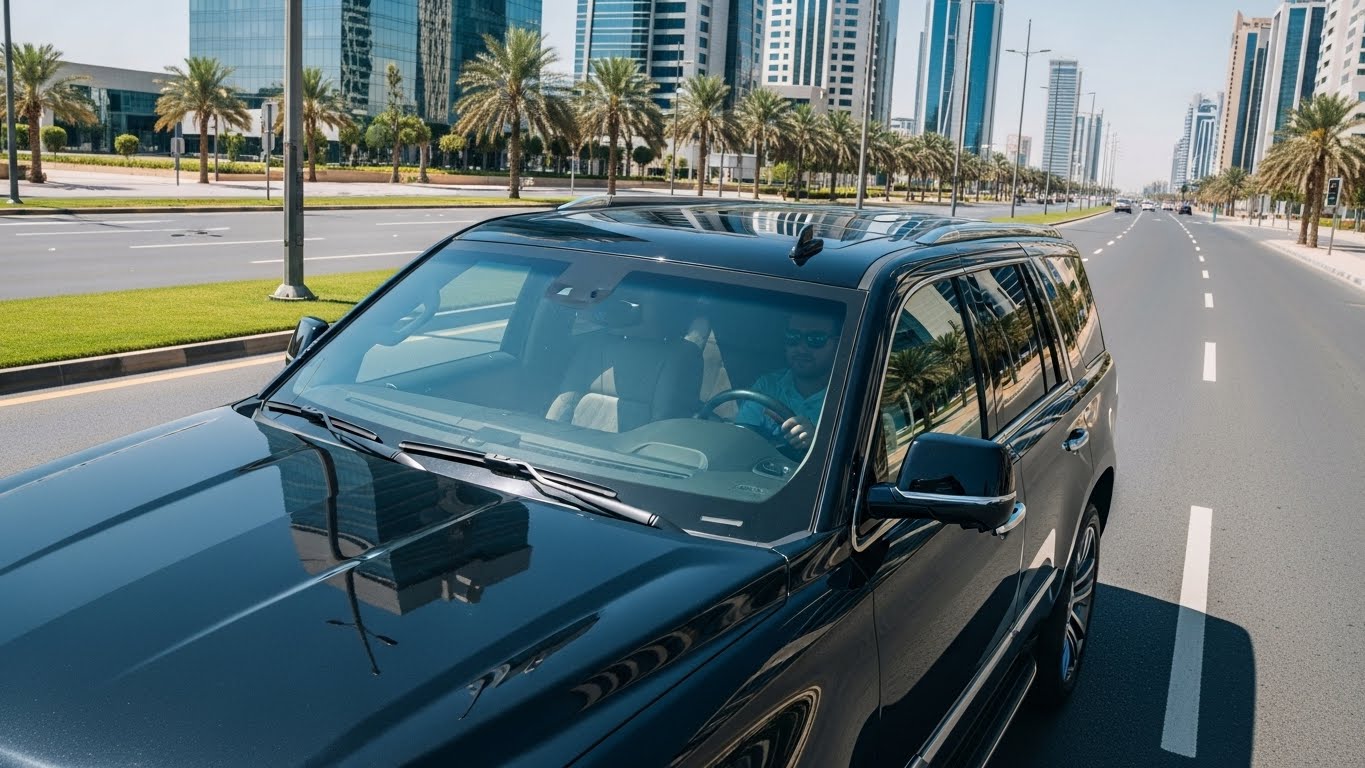
For vehicles, automotive window tint using ceramic IR series technology delivers infrared heat rejection, glare reduction, and UV protection without affecting electronics. Popular options include 3M™ automotive window film and advanced ceramic tint systems designed for automotive windows.
Nano ceramic film is widely used for:
- Car window tint
- Automotive window films
- High-end car tint installations
- Heat and glare control for daily driving
Architectural and Solar Applications
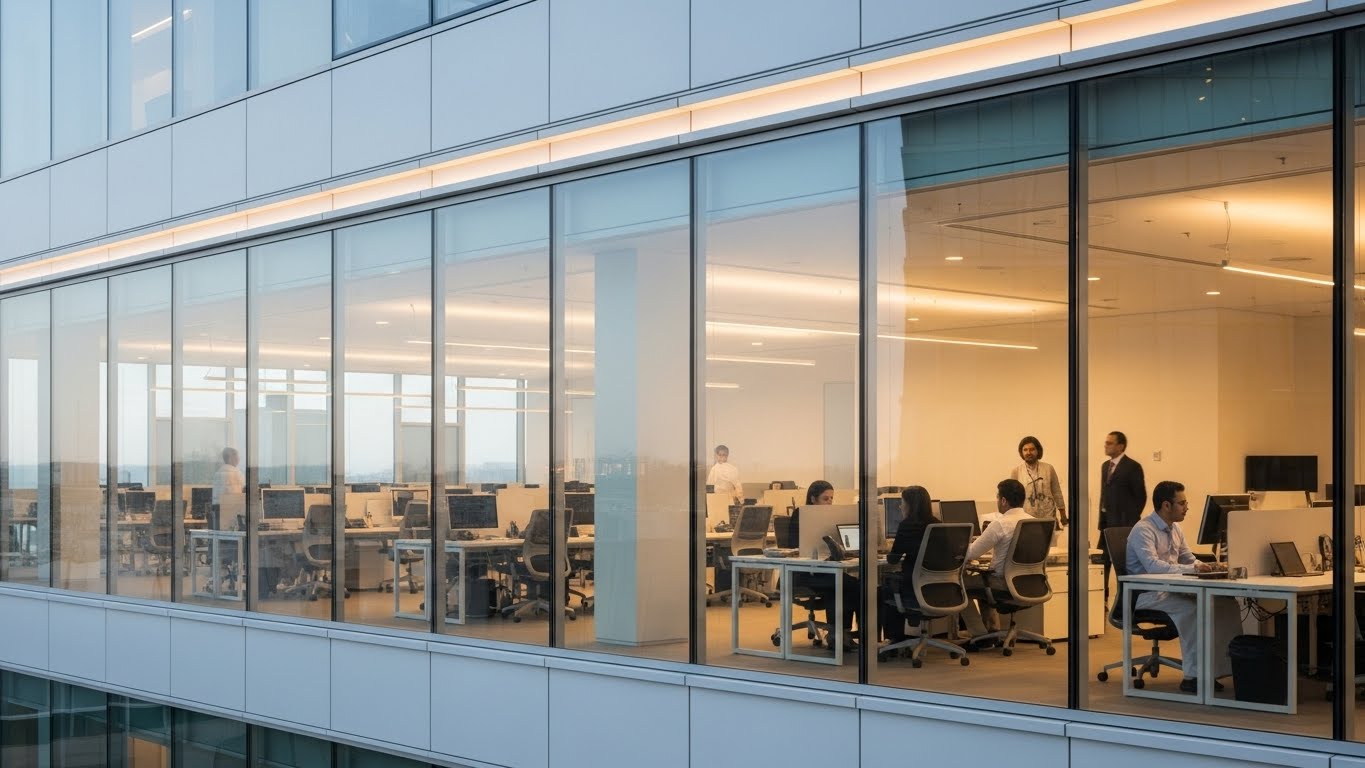
For buildings, architectural window film solutions help block solar energy, reduce glare, and improve comfort. Ceramic window film is used in villas, offices, showrooms, and commercial properties to improve solar protection and reduce energy consumption.
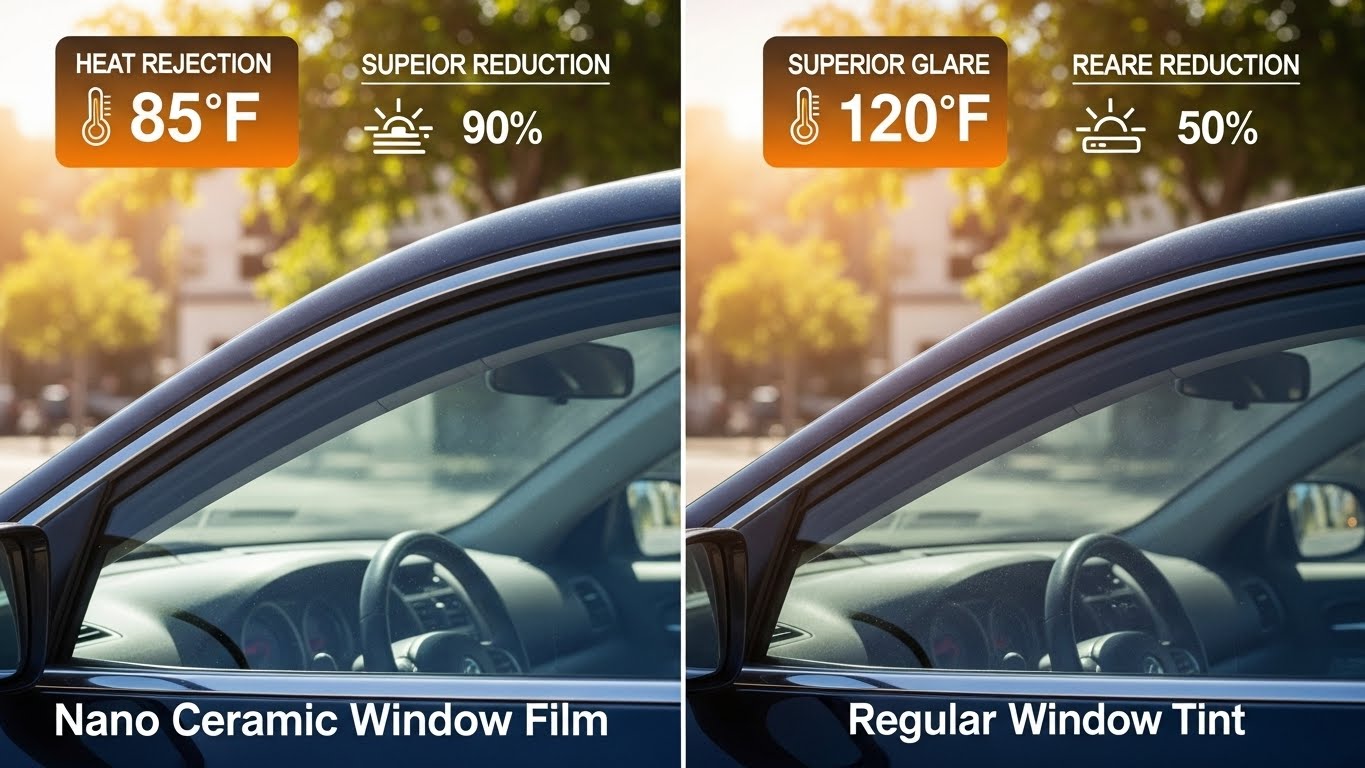
Nano Ceramic Window Film vs Traditional Window Tint
| Feature | Nano Ceramic Window Film | Standard Tint |
|---|---|---|
| Heat rejection | High | Low to medium |
| Infrared heat rejection | Excellent | Limited |
| UV protection | Superior | Basic |
| Glare reduction | Effective | Inconsistent |
| Optical clarity | High | Often reduced |
| Durability | Long-lasting | Short lifespan |
| Warranty | Lifetime warranty options | Limited or none |
Installation and Professional Application
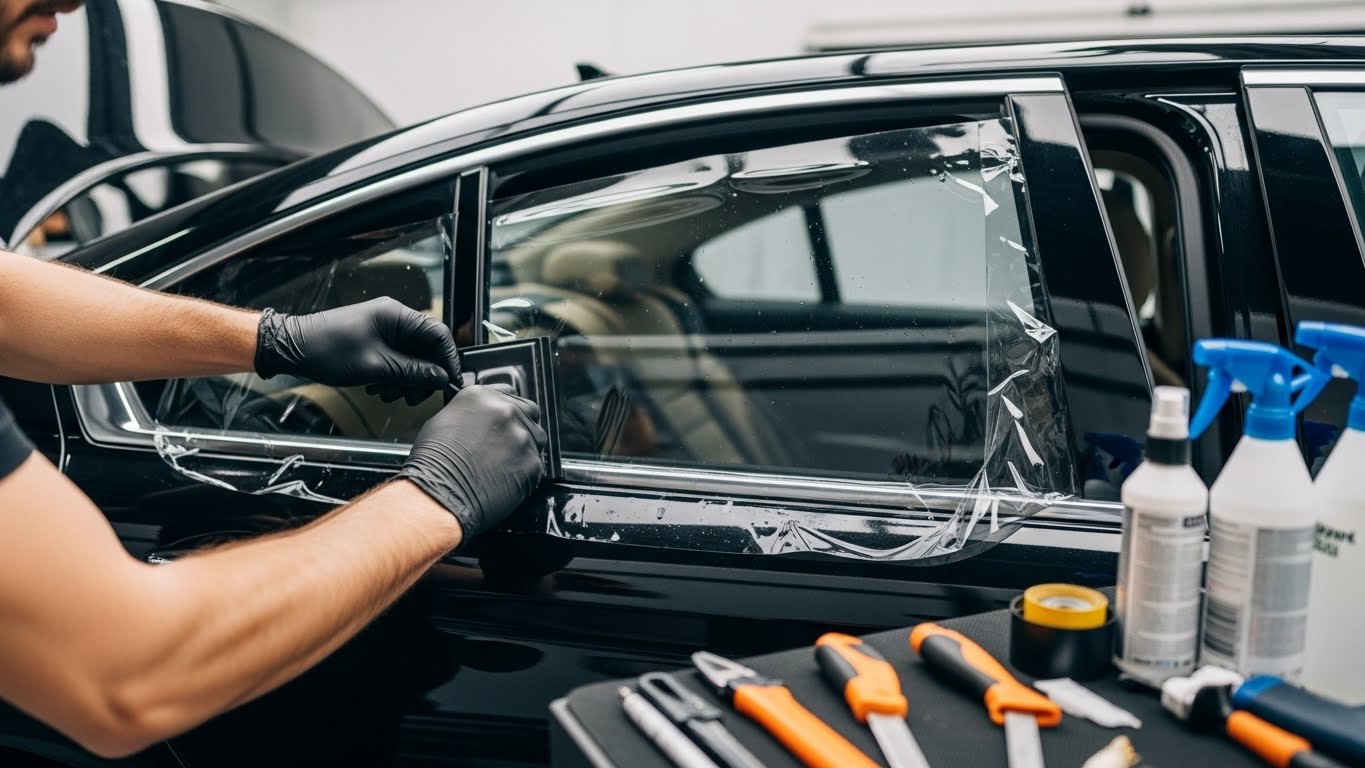
Proper installation is critical to performance. A certified installer ensures correct adhesive bonding, clean edges, and optimal optical clarity. Poor installation can reduce durability, clarity, and heat rejection.
Professional installation ensures:
- Correct film alignment
- Bubble-free finish
- Long-term durability
- Valid warranty coverage
Warranty, Durability, and Long-Term Performance
Premium nano ceramic window film systems include warranty protection and often a limited lifetime warranty. This warranty coverage protects against peeling, bubbling, discoloration, and performance loss.
Because ceramic film is non-metallic and chemically stable, it is more durable and long-lasting than dyed or metallic tint. High-quality films maintain performance even under intense sunlight and high temperatures.
Infrared, UV, and Solar Performance Explained
Ceramic window film is engineered to block:
- Infrared rays are responsible for heat buildup
- Ultraviolet radiation that damages interiors
- Excess solar energy entering through the glass
Performance metrics often include:
- Infrared heat rejection
- Total solar energy rejected
- Visible light transmission
- Solar energy rejected percentage
This balance ensures excellent protection while preserving clarity and comfort.
Common Buyer Mistakes to Avoid
- Choosing low-quality tint instead of advanced ceramic window tint
- Ignoring infrared heat rejection performance
- Installing without a warranty
- Using uncertified installers
- Selecting a dark tint instead of a performance-based nano-ceramic film
Is Nano Ceramic Window Film Worth It in Saudi Arabia?
For Saudi conditions, the answer is yes. Extreme sunlight, high solar heat, and prolonged exposure demand a solution that offers heat reduction, glare control, and excellent protection. Nano ceramic window film delivers consistent results, long-term durability, and superior performance compared to standard tint.
Final Thoughts
If you are looking for Nano Ceramic Window Film that delivers real heat rejection, UV protection, glare reduction, and long-lasting durability, choosing a professional ceramic window tint solution is a smart investment.
Whether for automotive window tint, architectural glass, or solar protection projects, advanced nano-ceramic technology provides optimal comfort, clarity, and performance in Saudi Arabia’s demanding climate.
Ready to Get Started?
- Request a free consultation
- Schedule a site visit
- Get professional installation with warranty coverage
Contact a trusted nano ceramic window film specialist today and upgrade your comfort with advanced ceramic window tint built for Saudi conditions.
Frequently Asked Questions (FAQs)
How is nano ceramic window film different from regular window tint?
Nano ceramic window film uses advanced nano-ceramic technology to block infrared heat, UV rays, and solar energy without using metal or dye. Regular tint mainly darkens glass and offers limited heat rejection, a shorter lifespan, and lower durability.
Does nano ceramic window tint reduce heat without making windows dark?
Yes. One of the main advantages of nano ceramic window tint is its ability to deliver strong heat rejection and infrared heat reduction while maintaining high visible light transmission. This allows natural light and clear visibility without excessive darkness.
Is nano ceramic window film suitable for automotive and architectural use?
Nano ceramic window film is suitable for both automotive window applications and architectural glass. It is widely used for car window tint, villas, offices, and commercial buildings due to its optical clarity, glare reduction, and long-lasting performance.
How long does nano ceramic window film last in the Saudi climate?
High-quality nano ceramic window film is designed for extreme sunlight and heat. When professionally installed, it is long-lasting and typically comes with a limited lifetime warranty, maintaining performance and durability for many years.
Will nano ceramic window film affect visibility, signals, or electronics?
No. Because ceramic window film is non-metallic, it does not interfere with GPS, mobile signals, or vehicle electronics. It provides excellent optical clarity, a clear view, and consistent performance without signal disruption.