
In today’s modern world, LED glass displays are transforming the way businesses attract customers and convey messages. Whenever you walk through a shopping mall, airport, or hotel lobby, chances are you’ve already come across an LED screen embedded smoothly into a glass surface.
But what exactly is an LED glass display? How is it different from traditional LED screens? And should your business consider investing in one?
Let’s break it down.
What is an LED Screen Display?
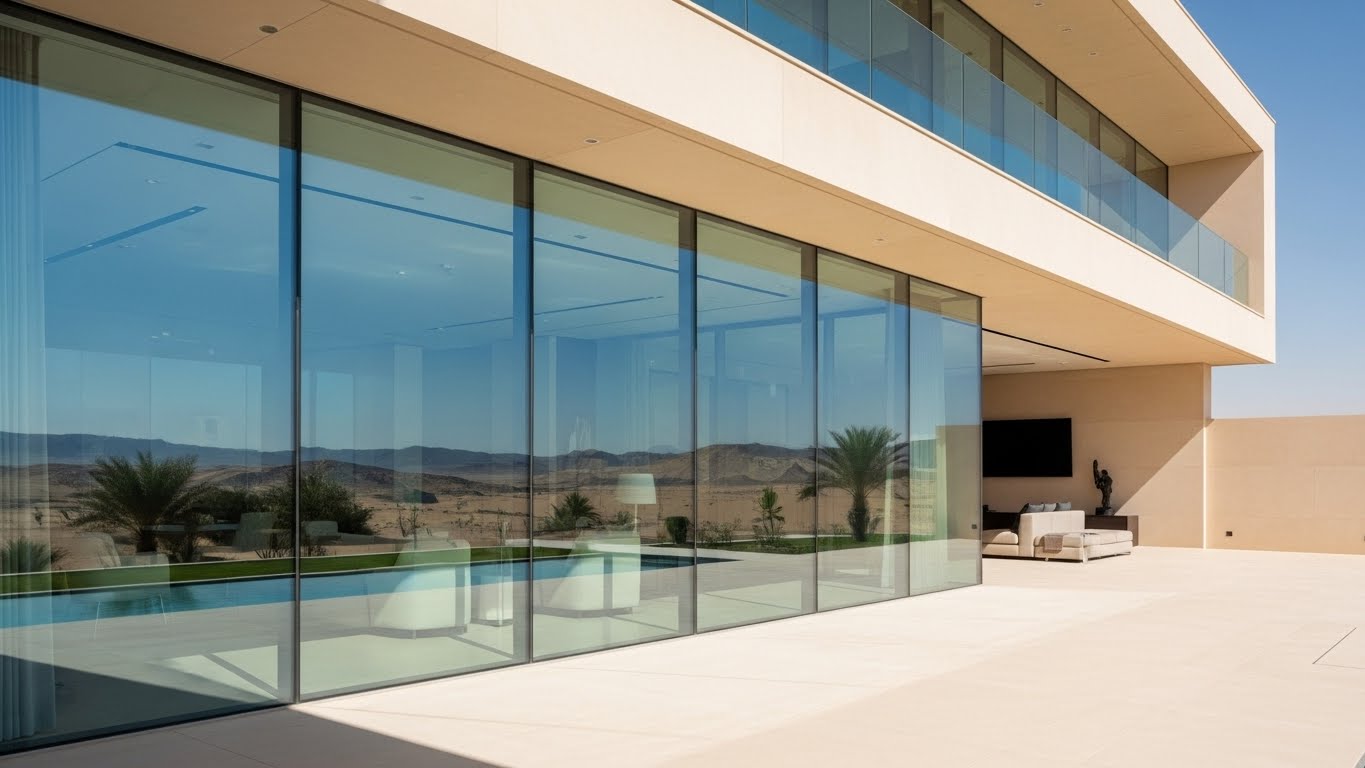
An LED screen display is a transparent digital screen built directly into glass panels. It uses embedded LED lights to display videos, animations, text, or images, all while maintaining the see-through nature of glass.
Think of it as a glass wall that can turn into a giant screen without blocking visibility. This makes it both functional and aesthetically appealing.
LED Screen Display vs Traditional LED Screens
Feature | LED Glass Display | Traditional LED Screen |
Transparency | Up to 80% Transparent | Not Transparent |
Aesthetics | Sleek, Modern Look | Bulky & Blocky |
Installation | Lightweight, Glass-Fit | Heavier, Requires Mounting |
Brightness | High (Visible in Daylight) | High |
Usage Areas | Indoors/Outdoors | Mostly Outdoors |
Power Consumption | Energy-Efficient | Varies (Can Be High) |
Where Can LED Glass Screens Be Used?
Here are the top use cases for transparent LED screen displays:
- Retail Stores
In 2025, LED glass displays are becoming a must-have for luxury retail stores. Transparent screens allow brands to showcase promotions, videos, or product launches directly on the storefront without covering the view of the actual store.
- Airports & Train Stations
LED glass displays are becoming common in airports, train stations, and public squares. They provide real-time information like schedules, advertisements, or cultural displays, while also saving space compared to bulky LED screens.
- Corporate Buildings
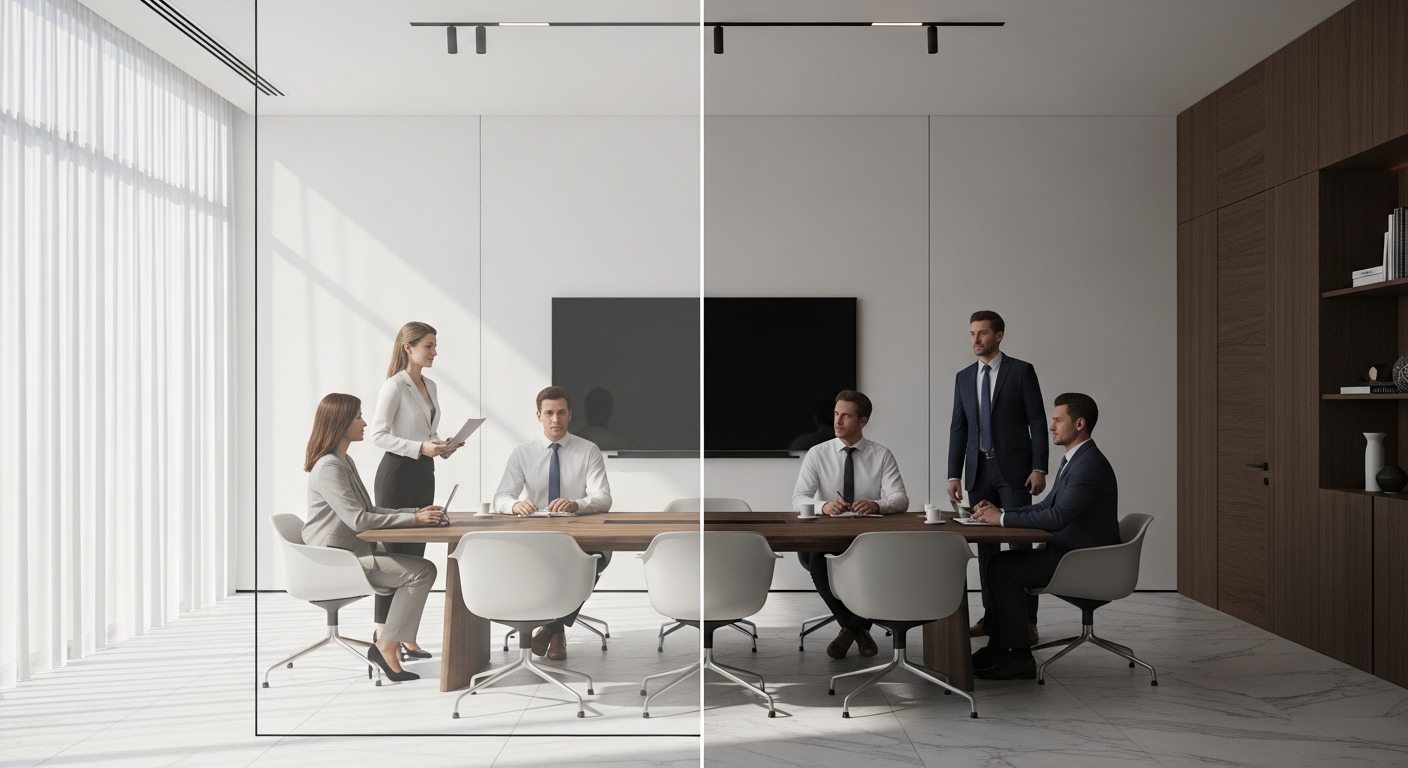
Architects are using LED glass in office facades and meeting rooms. Companies can display branding, welcome messages, or digital art while maintaining natural light flow. This adds a modern, futuristic touch to business environments.
- Event Venues & Stadiums
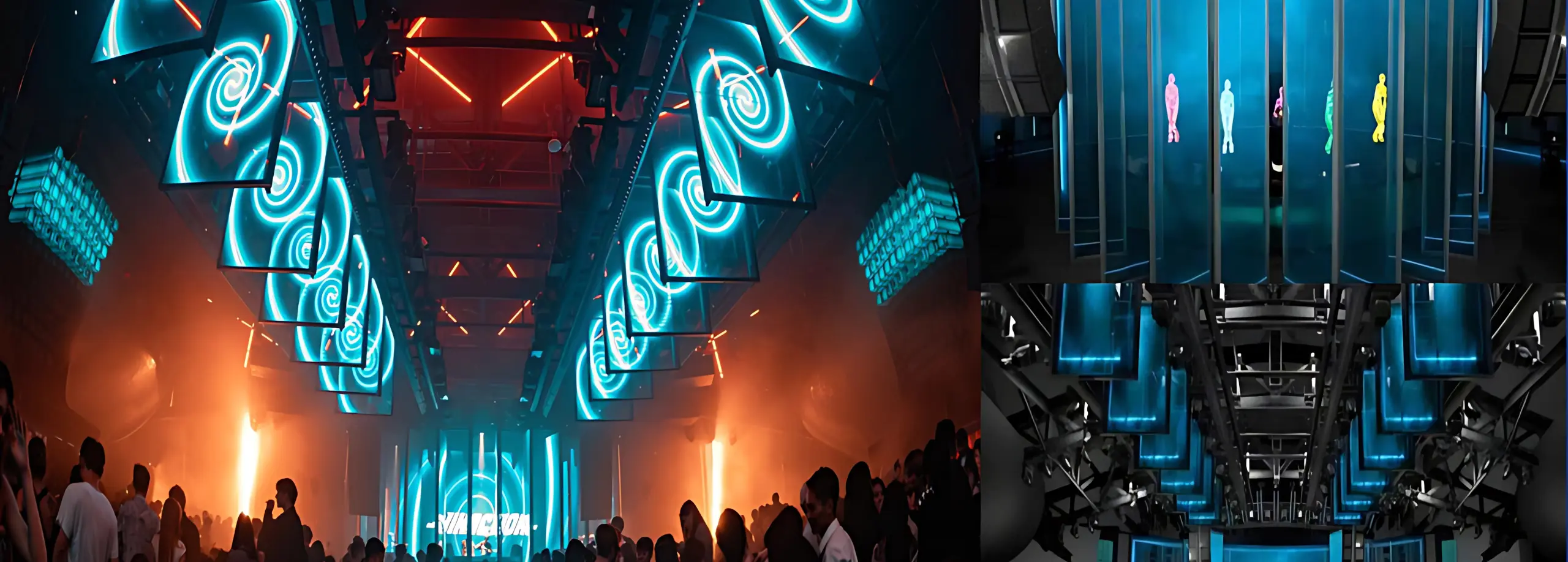
Event organizers use LED glass to create eye-catching stage backdrops, partitions, and booths. Since the glass is transparent, lighting effects and stage designs look more immersive and premium.
How to Maintain LED Screen Displays
- Clean regularly with a microfiber cloth (no harsh chemicals)
- Avoid strong impacts (though most are shatter-resistant)
- Check the power supply and brightness settings
- Schedule software updates for any connected content system
Fixed LED Display Market in 2025
According to industry reports, the LED screen display market is expected to grow rapidly in 2025, especially in regions like the Middle East, Asia, and Europe. With increasing demand for smart architecture, digital signage, and eco-friendly advertising, LED glass will replace many traditional billboards and digital panels.
LED Glass Display vs Transparent OLED Display (Bonus Insight)
Feature | LED Glass Display | Transparent OLED |
Brightness | Brighter | Moderate |
Lifespan | Longer (50,000+ hrs) | Shorter |
Cost | More Affordable | Expensive |
Outdoor Usability | Great for the Outdoors | Not ideal |
Transparency Rate | 60–80% | 40–45% |
Latest Trends in LED Glass Displays (2025)
Integration with Smart Glass
Many manufacturers are combining LED glass with switchable smart glass technology (PDLC film). This allows the glass to switch between transparent, opaque, and display modes that are perfect for offices and luxury homes.
AI and Data-Driven Displays
In 2025, LED glass screens are expected to integrate AI-based content management systems. Displays will adjust brightness, content, and timing based on customer behavior and environmental conditions.
Ultra-Thin and Flexible Designs
Manufacturers are working on lightweight, bendable LED glass panels that can be installed on curved surfaces like pillars and domes.
Green and Energy-Saving Solutions
Sustainability is a global trend. In 2025, LED glass displays will focus on solar-powered panels and energy-saving LEDs, reducing electricity consumption.
Immersive Advertising & 3D Effects
The rise of 3D advertising and augmented reality (AR) is pushing LED glass displays to deliver holographic-style effects, that results in advertisements more engaging.
How to integrate flexible led screens with glass windows
Flexible LED screens can be integrated with glass windows by mounting the lightweight, bendable LED panels directly onto the glass or a slim support frame using transparent fixing systems. This allows the screen to follow the shape of the glass without drilling or heavy structural changes.
The screens are installed with controlled spacing and calibrated brightness so natural light can still pass through the window. When the display is off, the glass remains largely transparent, making flexible LED screens ideal for curved storefronts, showrooms, and modern glass façades.
Why are transparent led screens popular in airport ads
Transparent LED screens are popular in airport advertising because they deliver high-impact visuals without blocking visibility or natural light. Their see-through design allows passengers to view architecture, storefronts, and signage behind the screen while still displaying bright, engaging content.
Airports also favor transparent LED screens because they save space, enhance modern aesthetics, and work well in high-traffic areas like terminals and glass façades. The screens attract attention without creating visual clutter, making them ideal for premium brand advertising in busy airport environments.