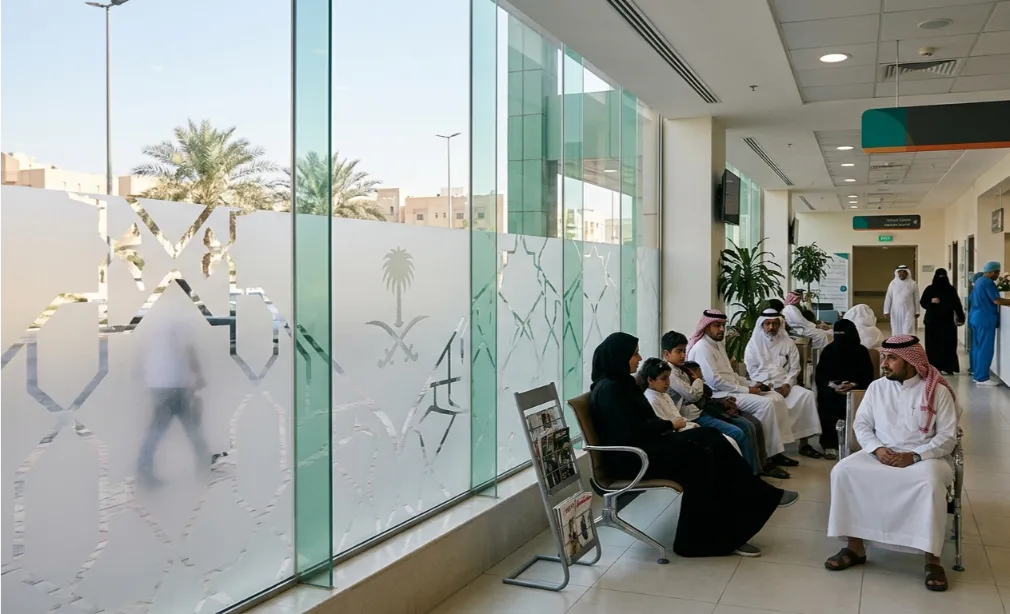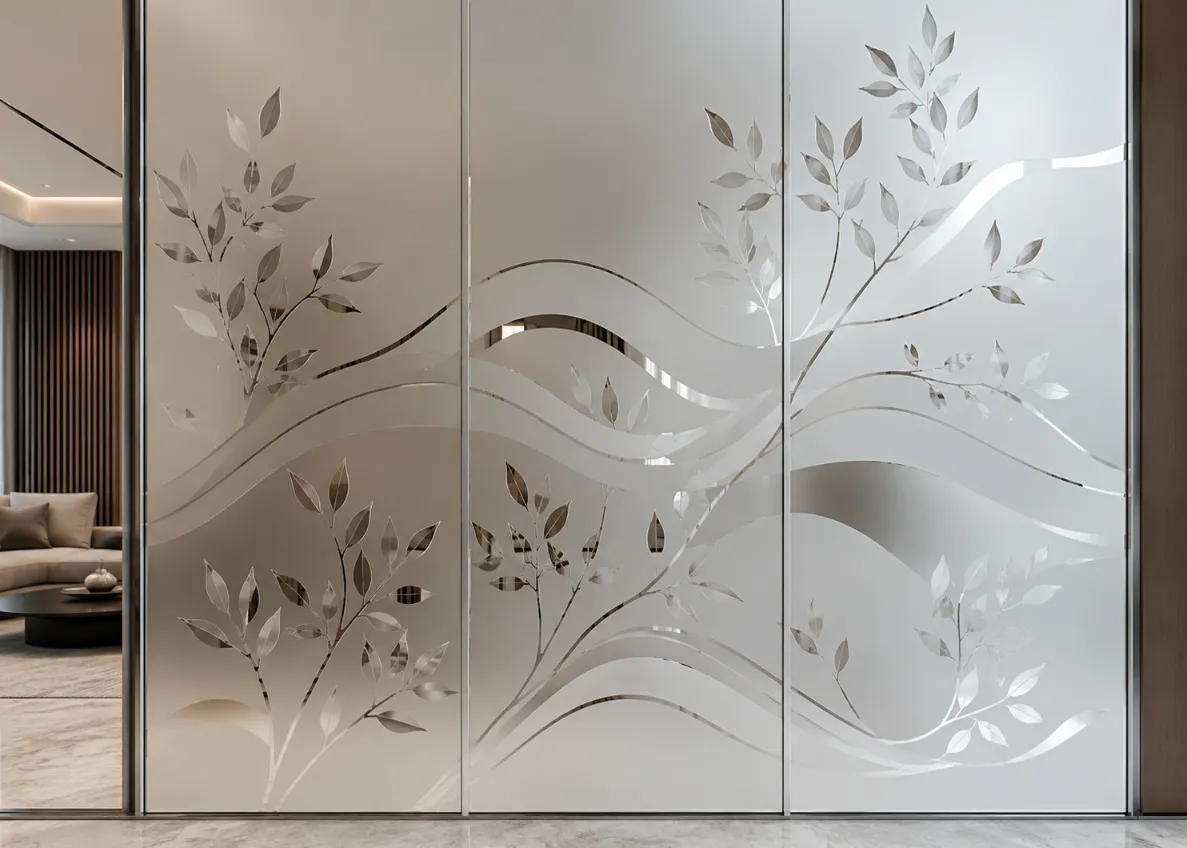

Have you ever noticed your furniture fading near windows or felt that burning sunlight on your arm while driving? That’s not just sunlight, it’s UV radiation silently damaging your interiors, skin, and comfort. This is where UV protection film steps in as an invisible shield that guards your home, office, or vehicle from harmful rays while keeping things bright and beautiful inside.
Understanding UV Rays and Why They Matter
The sun emits different types of rays — UV-A, UV-B, and UV-C. Thankfully, UV-C is blocked by the ozone layer, but UV-A and UV-B still reach us.
- UV-A rays penetrate deep into materials, causing fading, aging, and even skin damage.
- UV-B rays are more intense and can burn surfaces, discolor fabrics, and harm exposed skin.
Every day, these invisible rays seep through ordinary glass, damaging interiors, raising indoor temperatures, and putting your health at risk.
What is UV Protection Film?
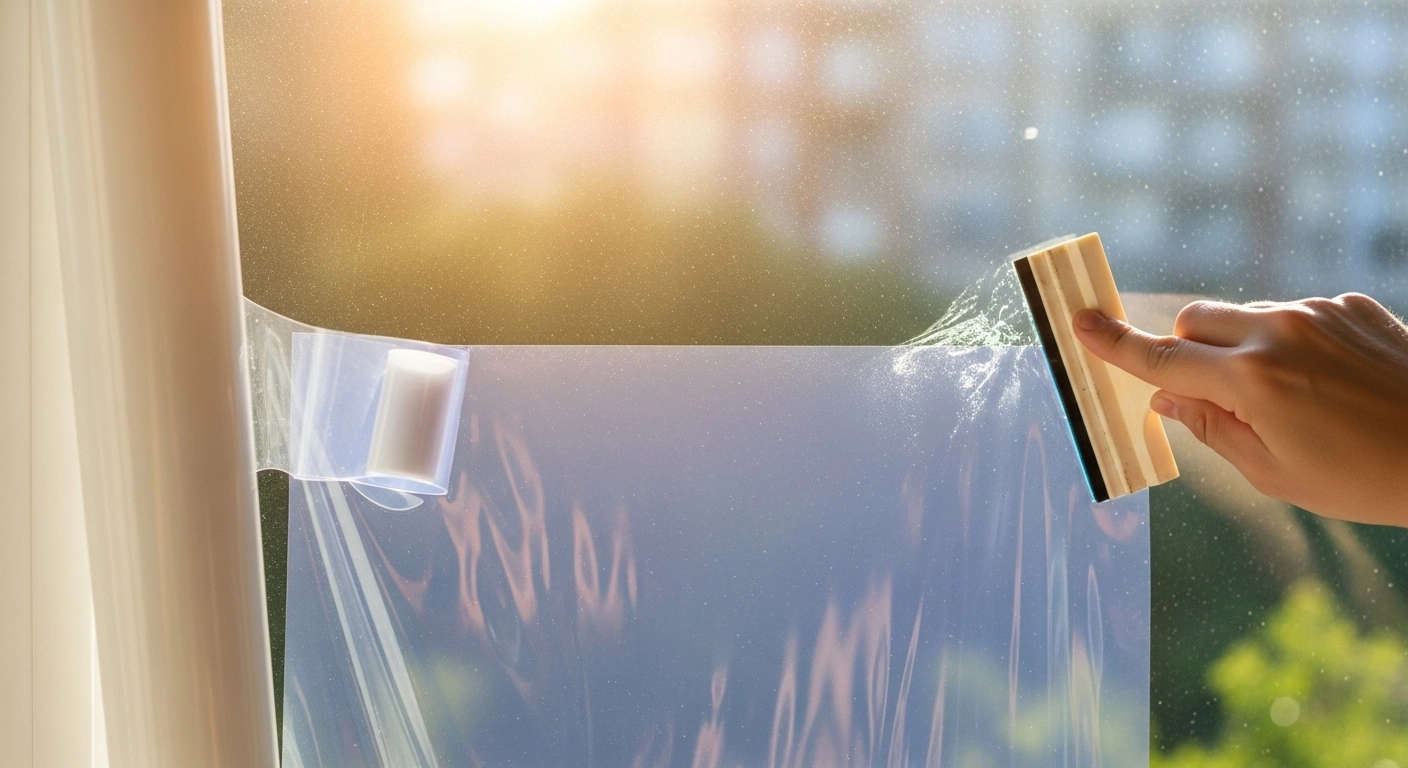
UV protection film (also known as sun control film or UV-blocking window film) is a thin, transparent layer applied to glass surfaces to block up to 99% of harmful ultraviolet radiation.
It acts like sunscreen for your glass — filtering UV rays, reflecting heat, and improving comfort without darkening your space. You can apply it to home windows, office glass walls, retail storefronts, or car windows.
How Does UV Protection Film Work?
The secret lies in its multi-layer construction and advanced nanotechnology:
- Polyester Base Layer – Ensures strength and clarity.
- UV-Absorbing Coating – Made from special chemicals like benzophenone or triazine that trap harmful rays.
- Metalized or Ceramic Layer – Reflects infrared heat to keep interiors cooler.
- Optical Adhesive – Provides bubble-free bonding to glass without distortion.
As sunlight hits the glass, these layers absorb and reflect UV and infrared radiation, letting only visible light pass through. The result? Natural brightness, minimal glare, and maximum protection.
Key Benefits of UV Protection Film
- Prevents Fading: Keeps furniture, flooring, and artwork looking new.
- Blocks Harmful Rays: Filters out up to 99% of UV rays, reducing skin damage.
- Improves Comfort: Reduces indoor heat and glare for a cooler, brighter space.
- Saves Energy: Less reliance on air conditioning means lower power bills.
- Adds Privacy: Light tints can improve privacy without blocking visibility.
Applications Across Different Spaces
- Homes & Apartments: Protects furniture, flooring, and curtains from fading.
- Offices & Commercial Buildings: Maintains a professional, comfortable environment while saving energy.
- Retail Stores: Preserves product colors and visibility.
- Museums & Galleries: Protects delicate artworks from light damage.
- Vehicles: Keeps interiors cool, prevents dashboard cracking, and shields passengers from UV exposure.
Choosing the Right UV Protection Film
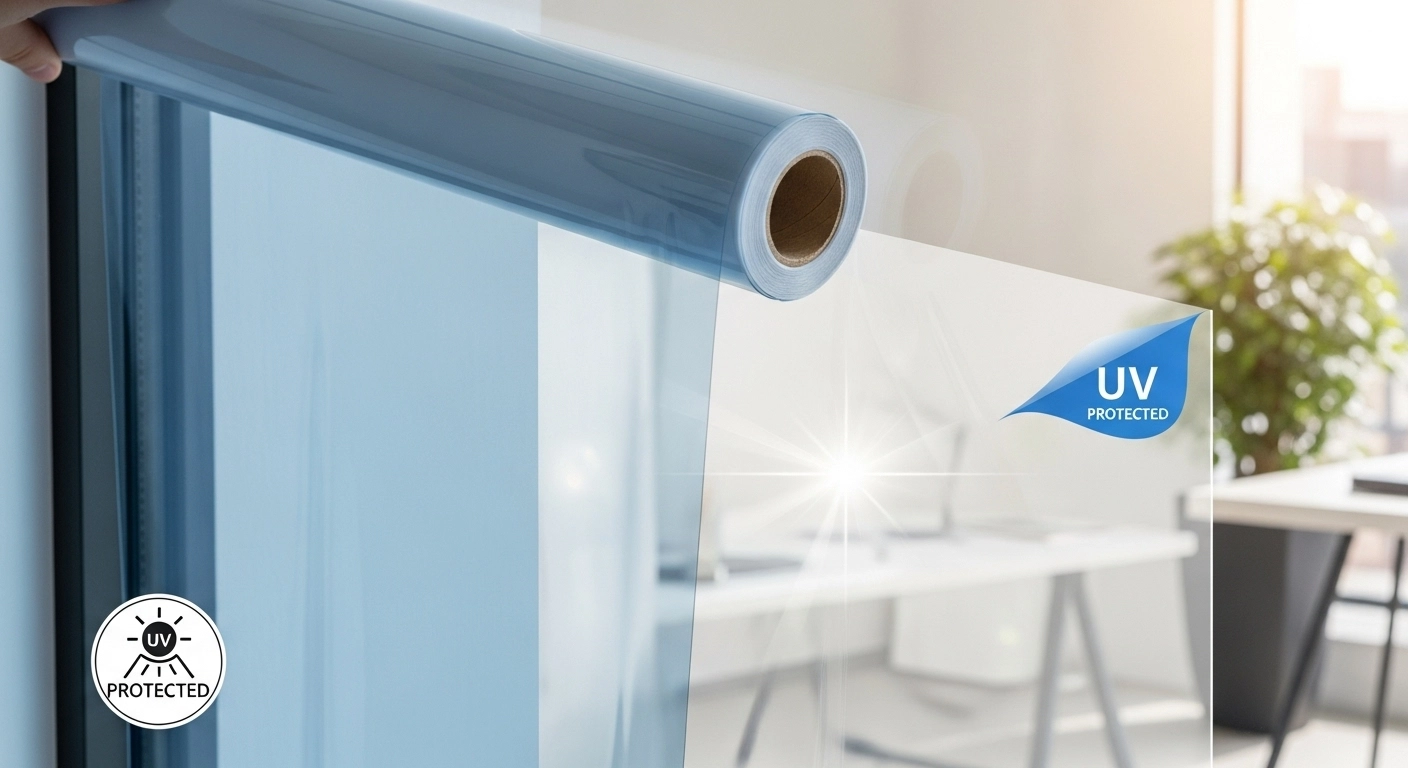
When selecting a UV window film, consider these factors:
- UV Filtration Level: Opt for films that block at least 99% of UV rays.
- Light Transmission: Choose between clear or tinted options depending on brightness needs.
- Heat Rejection: Look for films that also reflect infrared rays to reduce heat.
- Installation Type: Permanent adhesive for long-term use or static cling for easy removal.
Maintenance and Care Tips
- Clean gently with a soft cloth and ammonia-free cleaner.
- Avoid sharp tools or rough materials that can scratch the surface.
- Inspect for bubbles or peeling — proper installation ensures years of protection.
Quick FAQs About UV Protection Film
1. What is UV protection film?
It’s a transparent window film that blocks up to 99% of harmful ultraviolet rays, keeping interiors cool and protected.
2. Does UV window film actually work?
Yes, quality UV films are proven to prevent fading, reduce heat, and improve comfort in homes, cars, and offices.
3. How does UV protection film work?
It uses special coatings and layers to absorb and reflect UV and infrared rays, while allowing natural light to pass through.
4. Can UV film be removed easily?
Yes, many films are designed for easy removal without leaving residue, especially static cling or repositionable types.
Final Thoughts
Investing in a UV protection film is like giving your windows superpowers, clarity, comfort, and safety in one layer. Whether you’re protecting your home interiors, office spaces, or your car’s cabin, this invisible shield ensures your surroundings stay cooler, safer, and sun-smart all year round.